

As a seasoned supplier of power distribution cabinets, I've witnessed firsthand the challenges that noise pollution from these cabinets can pose. In industrial and commercial settings, the constant hum and vibration of power distribution cabinets can not only be a nuisance but also have a negative impact on the working environment and the health of employees. In this blog post, I'll share some effective noise - reduction measures for power distribution cabinets based on our years of experience and industry knowledge.
Understanding the Sources of Noise in Power Distribution Cabinets
Before we can implement noise - reduction measures, it's crucial to understand where the noise is coming from. There are several common sources of noise in power distribution cabinets:
- Transformer Noise: Transformers are one of the main sources of noise in power distribution cabinets. The alternating magnetic field in the transformer core causes the core to vibrate, which in turn produces audible noise. This noise is often a low - frequency hum that can be quite persistent.
- Fan Noise: Many power distribution cabinets are equipped with fans to dissipate heat. The rotation of the fan blades and the movement of air through the fan can generate noise. Fan noise is typically a high - frequency whine.
- Electrical Component Vibration: Other electrical components such as relays, contactors, and circuit breakers can also vibrate during operation, producing noise. These vibrations are often caused by the switching of electrical currents and the mechanical movement of the components.
Noise - Reduction Measures
1. Cabinet Design and Construction
- Sound - Insulating Materials: Using sound - insulating materials in the construction of the power distribution cabinet is an effective way to reduce noise transmission. Materials such as acoustic foam, fiberglass insulation, and rubber gaskets can be installed on the inner walls of the cabinet to absorb and dampen sound waves. For example, acoustic foam can be cut to fit the interior of the cabinet and attached using adhesive. This helps to reduce the amount of noise that escapes from the cabinet.
- Sealing and Enclosure: Ensuring that the power distribution cabinet is well - sealed is essential for noise reduction. Gaps and openings in the cabinet can allow noise to leak out. By using rubber seals around doors, access panels, and cable entry points, we can create an airtight enclosure that prevents sound from escaping. Additionally, a well - designed enclosure can also protect the internal components from dust and moisture, which can improve the overall reliability of the cabinet.
2. Transformer Noise Reduction
- Vibration Isolation: Transformers can be mounted on vibration - isolating pads or mounts. These pads are made of materials such as rubber or neoprene, which can absorb the vibrations generated by the transformer and prevent them from being transmitted to the cabinet structure. By reducing the vibration transfer, the noise level can be significantly reduced.
- Low - Noise Transformers: When selecting transformers for power distribution cabinets, consider using low - noise models. These transformers are designed with special core materials and construction techniques to minimize the vibration and noise generated during operation. Although they may be more expensive than standard transformers, the long - term benefits of reduced noise can outweigh the initial cost.
3. Fan Noise Management
- Proper Fan Sizing and Selection: Choosing the right size and type of fan is crucial for minimizing noise. Oversized fans can generate more noise than necessary, while undersized fans may not provide sufficient cooling. Select fans with a high - efficiency design and low - noise operation. For example, fans with aerodynamically designed blades can move air more quietly.
- Fan Speed Control: Implementing fan speed control systems can also help reduce noise. By adjusting the fan speed based on the temperature inside the cabinet, the fan can operate at a lower speed when the cooling demand is low, thereby reducing noise. Variable - speed fans can be controlled using temperature sensors and a control circuit.
4. Electrical Component Optimization
- Component Mounting: Ensure that all electrical components are properly mounted to reduce vibration. Use vibration - damping materials such as rubber washers or grommets when mounting components to the cabinet. This can prevent the components from vibrating against the cabinet structure and generating noise.
- Component Selection: Choose high - quality electrical components that are designed to operate quietly. Some manufacturers offer low - noise versions of relays, contactors, and circuit breakers. These components are engineered to minimize the mechanical noise generated during switching operations.
Application - Specific Considerations
- Outdoor Power Distribution Room: For Outdoor Power Distribution Room, additional noise - reduction measures may be required. The cabinet should be designed to withstand harsh environmental conditions while still providing effective noise reduction. For example, using weather - resistant sound - insulating materials and ensuring a tight seal to prevent water and dust ingress.
- Low Voltage Distribution Cabinet: Low Voltage Distribution Cabinet may have different noise characteristics compared to high - voltage cabinets. The noise sources in low - voltage cabinets are often related to the operation of smaller electrical components. Focus on optimizing the mounting and selection of these components to reduce noise.
- Explosion - proof Distribution Box: In the case of Explosion - proof Distribution Box, noise reduction must be achieved without compromising the explosion - proof performance of the box. Specialized sound - insulating materials that are compatible with explosion - proof requirements should be used.
Conclusion
Noise reduction in power distribution cabinets is a multi - faceted challenge that requires a comprehensive approach. By understanding the sources of noise and implementing appropriate measures such as cabinet design improvements, transformer noise reduction, fan noise management, and electrical component optimization, we can significantly reduce the noise levels of power distribution cabinets.

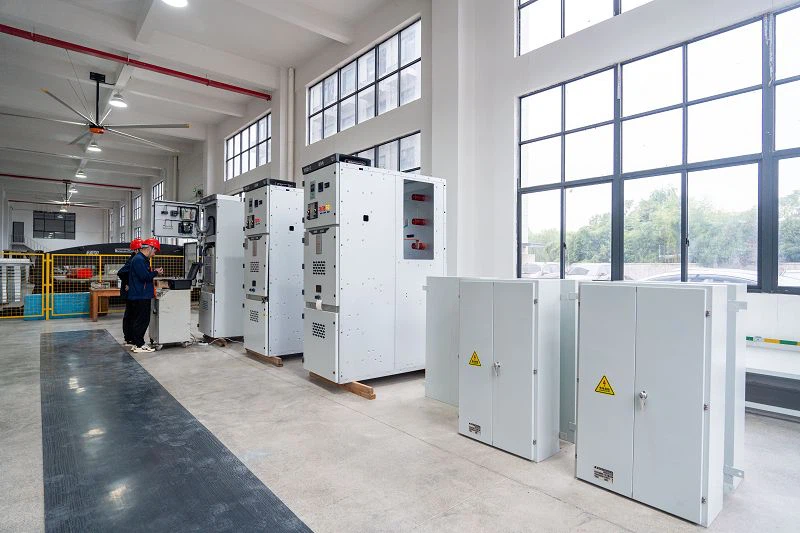
If you're in the market for power distribution cabinets with effective noise - reduction features, we'd be delighted to discuss your specific requirements. Our team of experts can provide customized solutions to meet your needs. Contact us to start a procurement discussion and find the perfect power distribution cabinet for your application.
References
- Electrical Engineering Handbook, Third Edition. CRC Press.
- Power Distribution Handbook. McGraw - Hill.
- Noise Control Engineering: Principles and Applications. Marcel Dekker.