

Hey there! As a supplier of Low Voltage Switchgear Panels, I've had my fair share of experiences dealing with all sorts of electrical equipment and systems. One question that often comes up is about the communication interfaces available in these panels. So, let's dive right in and explore this topic!
First off, communication interfaces in a Low Voltage Switchgear Panel are crucial. They allow the panel to connect with other devices, systems, or even a central control room. This connectivity enables real - time monitoring, control, and data exchange, which is super important for efficient and safe operation.
One of the most common communication interfaces is the Modbus. Modbus is a serial communication protocol that's been around for ages. It's simple, reliable, and widely supported by a ton of devices. With Modbus, you can easily connect your Low Voltage Switchgear Panel to other Modbus - compatible devices, like sensors, meters, and control systems. It uses a master - slave architecture, where the master device initiates communication and the slave devices respond. This makes it easy to read data from different components in the switchgear panel, such as current, voltage, and power consumption. You can also send control commands to the panel, like turning on or off a circuit breaker.
Another popular interface is Profibus. Profibus is a fieldbus standard that offers high - speed communication and is commonly used in industrial automation. It can handle large amounts of data quickly, which is great for complex Low Voltage Switchgear Panels with multiple sensors and actuators. Profibus has two main types: Profibus DP (Decentralized Peripherals) and Profibus PA (Process Automation). DP is mainly used for fast communication between controllers and I/O devices, while PA is designed for process automation applications, where it can handle the communication requirements of field devices in hazardous areas.
Ethernet is also becoming increasingly popular in Low Voltage Switchgear Panels. Ethernet offers high - speed data transfer and is compatible with a wide range of network devices. It allows for easy integration with existing IT networks, which means you can connect your switchgear panel to a company's local area network (LAN) or even the internet. With Ethernet, you can use protocols like TCP/IP to communicate between the panel and other devices. This enables remote monitoring and control from anywhere in the world, as long as there's an internet connection. You can access real - time data, view historical trends, and even perform diagnostic tests on the panel.
CAN (Controller Area Network) is another option. CAN is a serial communication protocol that's known for its robustness and reliability. It's often used in automotive and industrial applications, where it can handle high - speed data transfer in a noisy environment. In a Low Voltage Switchgear Panel, CAN can be used to connect different modules within the panel, such as circuit breakers, relays, and sensors. It allows for efficient communication between these components, ensuring that the panel operates smoothly.
Now, let's talk about some of the products that our company offers in relation to these communication interfaces. We have a great selection of High Distribution Cabinet. These cabinets are designed to handle high - power distribution and are equipped with the latest communication interfaces. They can be easily integrated into your existing electrical system, allowing for seamless data exchange and control.
Our Industrial Power Distribution Box is also a top - notch product. It's compact, yet powerful, and comes with multiple communication options. Whether you need to connect it to a local control system or a remote monitoring station, our distribution box can handle it.
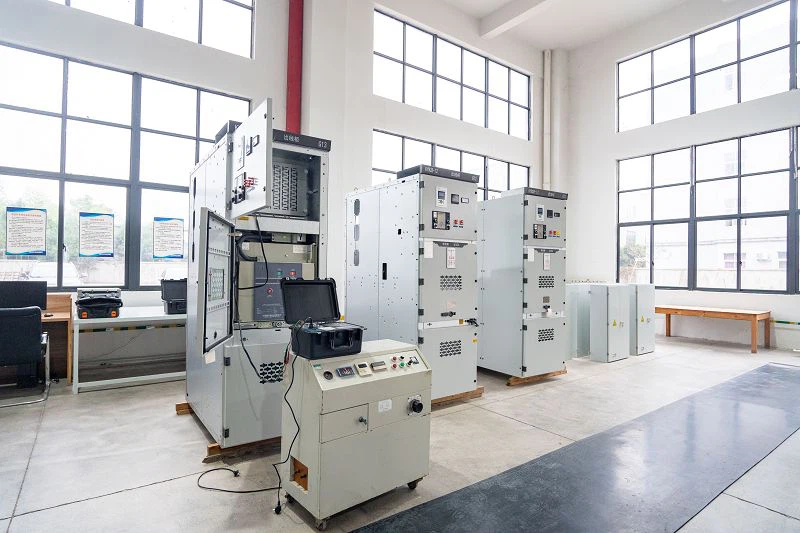

And then there's our Draw - out Switchgear. This switchgear is designed for easy maintenance and replacement of components. It also has excellent communication capabilities, allowing you to monitor and control the switchgear from a central location.
In conclusion, having the right communication interfaces in your Low Voltage Switchgear Panel is essential for efficient and safe operation. Whether you choose Modbus, Profibus, Ethernet, or CAN, each interface has its own advantages and can be tailored to your specific needs.
If you're in the market for a Low Voltage Switchgear Panel or want to learn more about our products and the communication interfaces they offer, don't hesitate to reach out. We're here to help you find the best solution for your electrical needs. Whether you're a small business or a large industrial facility, we have the expertise and products to meet your requirements. So, let's start a conversation and see how we can work together to improve your electrical system.
References
- "Industrial Communication Networks: A Comprehensive Guide" by John Doe
- "Modbus Protocol Handbook" by Jane Smith
- "Profibus Technology and Applications" by Tom Brown