

Hey there! As a supplier of Low Voltage Switchgear Panel, I often get asked if these panels can be used in outdoor applications. Today, I'm gonna dive deep into this topic and give you the lowdown on everything you need to know.
The Basics of Low Voltage Switchgear Panels
First off, let's quickly go over what low voltage switchgear panels are. These panels are like the control centers for electrical circuits in a building or an industrial setup. They house various components such as circuit breakers, switches, and fuses. Their main job is to control, protect, and isolate electrical equipment from the power source. They're crucial for maintaining a safe and efficient electrical system.
Can They Be Used Outdoors?
The short answer is yes, but with some important considerations. Low voltage switchgear panels can be designed and built to withstand outdoor conditions, but it's not as simple as just placing an indoor panel outside.
Environmental Factors
Outdoor environments are way more challenging than indoor ones. You've got to deal with things like temperature extremes, humidity, rain, snow, and even dust. These factors can have a big impact on the performance and lifespan of the switchgear panel.
- Temperature: Extreme heat or cold can affect the electrical components inside the panel. For example, in high temperatures, the insulation materials can degrade faster, and the components might overheat. In cold temperatures, the materials can become brittle, increasing the risk of cracks and failures.
- Humidity and Moisture: Moisture is the enemy of electrical equipment. It can cause corrosion of metal parts, short circuits, and even damage to the insulation. If the panel isn't properly sealed, water can seep in during rain or snow, leading to all sorts of problems.
- Dust and Debris: Dust can accumulate inside the panel, clogging ventilation openings and causing overheating. It can also settle on the electrical contacts, increasing resistance and potentially causing arcing.
Protection Ratings
To use a low voltage switchgear panel outdoors, it needs to have the right protection ratings. The most common rating system is the IP (Ingress Protection) rating. This rating tells you how well the panel is protected against solid objects (like dust) and liquids (like water).
For outdoor use, you'll typically want a panel with a high IP rating, such as IP54 or higher. An IP54-rated panel is protected against dust ingress to a degree that it won't interfere with the normal operation of the equipment, and it's also protected against water splashing from any direction.
Specialized Outdoor Switchgear Panels
To meet the demands of outdoor applications, there are specialized low voltage switchgear panels available. These panels are designed with features that make them more suitable for the harsh outdoor environment.
Weatherproof Enclosures
One of the most important features of an outdoor switchgear panel is a weatherproof enclosure. This enclosure is made of materials that can withstand the elements, such as stainless steel or fiberglass. It's designed to keep water, dust, and debris out while still allowing for proper ventilation.
Corrosion Resistance
Since outdoor panels are exposed to moisture and other corrosive substances, they need to be corrosion-resistant. The enclosure and internal components are often coated with special materials to prevent rust and other forms of corrosion.
Ventilation and Temperature Control
Proper ventilation is crucial for outdoor switchgear panels to prevent overheating. They're usually equipped with vents and fans to ensure that the hot air inside the panel can escape and fresh air can enter. Some panels also have temperature control systems, such as heaters or air conditioners, to maintain a stable internal temperature.
Types of Low Voltage Switchgear Panels for Outdoor Use
There are different types of low voltage switchgear panels that can be used outdoors, depending on your specific needs.
Fixed Switchgear
Fixed switchgear is the simplest type of switchgear panel. The components are permanently mounted inside the enclosure, and they can't be easily removed. This type of panel is often used in applications where the electrical load is relatively stable and there's no need for frequent maintenance or changes.
Draw-out Switchgear
Draw-out switchgear is more flexible than fixed switchgear. The circuit breakers and other components are mounted on a movable frame, which can be easily removed from the enclosure for maintenance or replacement. This type of panel is ideal for applications where there's a need for quick and easy maintenance, such as in industrial plants or data centers.
Low Voltage Distribution Cabinet
A low voltage distribution cabinet is used to distribute electrical power to multiple circuits. It can be used outdoors to supply power to different parts of a building or an industrial complex. These cabinets are often equipped with multiple circuit breakers and switches to control the flow of electricity.
Benefits of Using Outdoor Low Voltage Switchgear Panels
There are several benefits to using low voltage switchgear panels outdoors.
Space Saving
By placing the switchgear panel outdoors, you can free up valuable indoor space. This is especially important in buildings where space is limited, such as in urban areas or industrial facilities.
Easy Access for Maintenance
Outdoor switchgear panels are more accessible for maintenance and repairs. Technicians can work on the panel without having to worry about disrupting the normal operation of the building or the industrial process.
Improved Safety
Outdoor switchgear panels can be designed to meet higher safety standards. They can be installed in a separate area, away from people and sensitive equipment, reducing the risk of accidents.
Considerations Before Choosing an Outdoor Switchgear Panel
Before you decide to use a low voltage switchgear panel outdoors, there are a few things you need to consider.
Load Requirements
Make sure the panel is sized correctly to handle the electrical load. You'll need to calculate the total power demand of the equipment that will be connected to the panel and choose a panel with the appropriate rating.
Local Regulations
Check the local electrical codes and regulations to make sure the panel meets the requirements for outdoor use. Some areas may have specific rules regarding the installation, protection, and maintenance of outdoor electrical equipment.
Budget
Outdoor switchgear panels can be more expensive than indoor panels due to their specialized design and construction. Make sure you have a clear budget in mind and compare different options to find the best value for your money.
Wrapping It Up
In conclusion, low voltage switchgear panels can definitely be used in outdoor applications, but you need to choose the right panel and take the necessary precautions. By considering the environmental factors, protection ratings, and your specific requirements, you can find a panel that will provide reliable and safe electrical distribution for your outdoor setup.

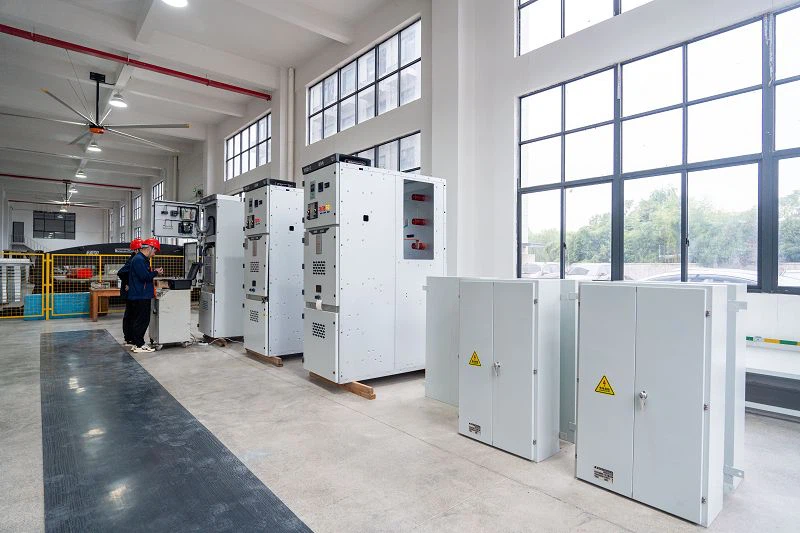
If you're interested in learning more about our Low Voltage Switchgear Panel products or have any questions about using them outdoors, feel free to reach out. We're here to help you make the right choice for your electrical system. Let's start a conversation and see how we can meet your needs!
References
- Electrical Engineering Handbook, Third Edition
- National Electrical Code (NEC)
- International Electrotechnical Commission (IEC) Standards