

As a power distribution cabinet supplier, I've seen firsthand how crucial relays are in these cabinets. Let's dive into what relays are and their role in power distribution cabinets.
What are Relays?
Relays are like the traffic cops of the electrical world. They're basically switches that are controlled by an electrical signal. Instead of manually flipping a switch, a relay uses an electromagnet to open or close a circuit. When an electrical current flows through the coil of the relay, it creates a magnetic field that either pulls the switch closed or pushes it open, depending on the design.

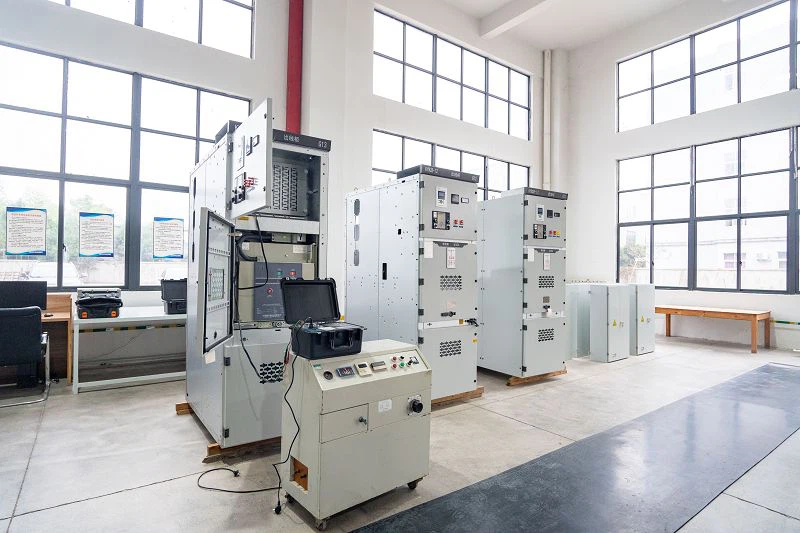
The Role of Relays in Power Distribution Cabinets
1. Protection
One of the most important roles of relays in a power distribution cabinet is protection. Power distribution cabinets are responsible for distributing electrical power to various parts of a building or facility. If there's a problem like a short circuit or an overload, it can cause serious damage to the equipment and even pose a safety hazard.
Relays can detect abnormal electrical conditions such as overcurrent, overvoltage, or under - voltage. For example, an overcurrent relay can sense when the current flowing through a circuit exceeds a certain preset value. Once it detects this, it can quickly break the circuit, preventing damage to the equipment downstream. This is super important because it helps to avoid costly repairs and downtime.
2. Control
Relays also play a key role in controlling the flow of electricity in a power distribution cabinet. They can be used to turn on or off different circuits based on certain conditions. For instance, you might want to turn on a specific set of lights in a building at a certain time of the day. A relay can be programmed to do this automatically.
In a large industrial power distribution cabinet, relays can be used to control the operation of motors, pumps, and other electrical equipment. They can ensure that these devices start and stop at the right times, improving efficiency and safety.
3. Isolation
Another important role of relays is isolation. In a power distribution cabinet, there are often multiple circuits that need to be kept separate from each other. Relays can provide electrical isolation between different circuits. This means that if there's a problem in one circuit, it won't affect the others.
For example, in a cabinet that supplies power to different floors of a building, relays can be used to isolate the circuits for each floor. If there's a short - circuit on one floor, the relay can quickly cut off the power to that floor, while keeping the power to the other floors intact.
Types of Relays Used in Power Distribution Cabinets
1. Electromagnetic Relays
These are the most common type of relays. They work based on the principle of electromagnetism. When an electrical current passes through the coil of the relay, it creates a magnetic field that pulls a switch closed or open. Electromagnetic relays are reliable and can handle a wide range of voltages and currents.
2. Solid - State Relays
Solid - state relays use semiconductor components instead of mechanical switches. They have no moving parts, which makes them more reliable and durable. They also have a faster response time compared to electromagnetic relays. Solid - state relays are often used in applications where high - speed switching is required.
Relays in Different Types of Power Distribution Cabinets
AC Power Distribution Cabinet
In an AC Power Distribution Cabinet, relays are used to control and protect the AC circuits. They can be used to switch different loads on and off, and also to detect and respond to electrical faults. For example, a relay can be used to switch between different power sources in case of a power outage.
High Distribution Cabinet
High Distribution Cabinet is designed to handle high - voltage electrical systems. Relays in these cabinets need to be able to handle high voltages and currents. They play a crucial role in protecting the equipment from overvoltage and overcurrent conditions. They can also be used to control the flow of power between different high - voltage circuits.
Draw - out Switchgear
In Draw - out Switchgear, relays are used to control the operation of the switchgear. They can be used to open and close the circuit breakers, and also to monitor the electrical parameters such as current and voltage. This allows for easy maintenance and replacement of the switchgear components.
Why Choose Our Power Distribution Cabinets with Relays?
We understand the importance of relays in power distribution cabinets. That's why we use high - quality relays in all our products. Our relays are carefully selected to ensure reliable operation and long - term performance.
We also offer a wide range of power distribution cabinets to meet different customer needs. Whether you need a small cabinet for a residential building or a large cabinet for an industrial facility, we have the right solution for you.
If you're in the market for a power distribution cabinet, we'd love to hear from you. Our team of experts can help you choose the right cabinet and relays for your specific requirements. Contact us today to start a conversation about your power distribution needs.
References
- Electrical Engineering Handbook, Third Edition
- Power System Protection and Switchgear by M. H. Rashid
So, if you're looking for a reliable power distribution cabinet with top - notch relays, don't hesitate to reach out. We're here to help you make the right choice for your electrical system.