

In the realm of electrical systems, two components that often cause confusion are the Terminal Distribution Box and the junction box. As a supplier of Terminal Distribution Boxes, I've encountered numerous inquiries regarding the differences between these two essential electrical devices. In this blog post, I'll delve into the distinctions, functions, and applications of Terminal Distribution Boxes and junction boxes to provide a clear understanding of their unique roles in electrical networks.
What is a Terminal Distribution Box?
A Terminal Distribution Box, also known as a terminal block box, is designed to organize and distribute electrical power or signals within a system. It serves as a central hub where multiple electrical circuits are connected and managed. Terminal Distribution Boxes are commonly used in industrial, commercial, and residential settings to simplify wiring, enhance safety, and facilitate maintenance.
One of the primary functions of a Terminal Distribution Box is to provide a secure and organized connection point for electrical wires. By using terminal blocks, which are metal strips with screw terminals, the box allows for easy installation and removal of wires. This modular approach makes it convenient to add, remove, or modify circuits without the need for complex rewiring.
Terminal Distribution Boxes come in various sizes and configurations to accommodate different applications. They can be wall-mounted, floor-mounted, or installed in cabinets. Some boxes are designed for specific industries, such as Industrial Power Distribution Box, which are built to withstand harsh industrial environments and provide reliable power distribution.
What is a Junction Box?
A junction box, on the other hand, is a protective enclosure that houses electrical connections. It is used to join two or more electrical wires together and provide a safe and enclosed space for these connections. Junction boxes are typically made of metal or plastic and are designed to prevent electrical shocks, fires, and other hazards.
The main purpose of a junction box is to protect electrical connections from damage and ensure the safety of the electrical system. It also helps to organize and conceal wiring, making the installation look neater and more professional. Junction boxes are commonly used in residential, commercial, and industrial buildings, as well as in outdoor applications.

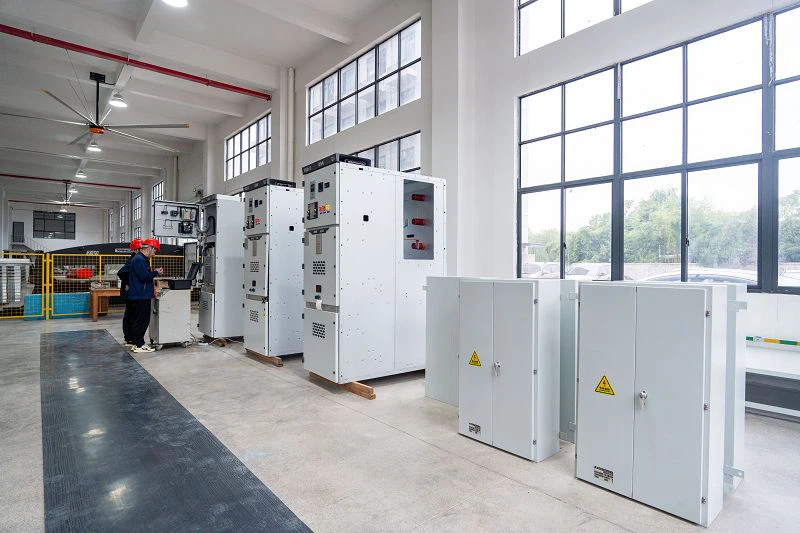
Junction boxes come in different shapes and sizes, depending on the number of wires and the type of connections they need to accommodate. They can be round, square, or rectangular, and may have different numbers of knockouts for wire entry and exit. Some junction boxes are designed for specific applications, such as Enclosed Switchgear, which are used to control and protect electrical circuits in high-voltage applications.
Key Differences between Terminal Distribution Boxes and Junction Boxes
While both Terminal Distribution Boxes and junction boxes are used in electrical systems, there are several key differences between them:
Function
- Terminal Distribution Box: The primary function of a Terminal Distribution Box is to distribute electrical power or signals to multiple circuits. It provides a centralized location for connecting and managing electrical wires, making it easier to organize and maintain the electrical system.
- Junction Box: The main function of a junction box is to protect electrical connections from damage and ensure the safety of the electrical system. It provides a sealed enclosure for joining two or more electrical wires together, preventing electrical shocks and fires.
Design
- Terminal Distribution Box: Terminal Distribution Boxes are typically larger and more complex than junction boxes. They are designed to accommodate multiple terminal blocks and may have additional features such as circuit breakers, fuses, and surge protectors.
- Junction Box: Junction boxes are generally smaller and simpler in design. They are typically used to house a single electrical connection or a small number of connections.
Application
- Terminal Distribution Box: Terminal Distribution Boxes are commonly used in industrial, commercial, and residential settings where there is a need to distribute electrical power or signals to multiple circuits. They are often used in control panels, switchboards, and power distribution cabinets.
- Junction Box: Junction boxes are used in a wide range of applications, including residential wiring, commercial buildings, and outdoor lighting. They are typically used to connect electrical wires in areas where there is a need for a safe and enclosed space for electrical connections.
Installation
- Terminal Distribution Box: Terminal Distribution Boxes are typically installed in a central location, such as a control room or a power distribution cabinet. They require professional installation and may need to be connected to other electrical components, such as circuit breakers and transformers.
- Junction Box: Junction boxes can be installed in various locations, such as walls, ceilings, or floors. They are relatively easy to install and can be connected to electrical wires using simple tools.
When to Use a Terminal Distribution Box or a Junction Box
The choice between a Terminal Distribution Box and a junction box depends on the specific requirements of the electrical system. Here are some guidelines to help you decide which one to use:
Use a Terminal Distribution Box When:
- You need to distribute electrical power or signals to multiple circuits.
- You want to organize and manage electrical wires in a centralized location.
- You need to add, remove, or modify circuits easily.
- You are working in an industrial or commercial setting where there is a high demand for electrical power.
Use a Junction Box When:
- You need to protect electrical connections from damage and ensure the safety of the electrical system.
- You are connecting two or more electrical wires together.
- You are working in a residential or commercial building where there is a need for a safe and enclosed space for electrical connections.
- You are installing electrical wiring in an outdoor area where the connections need to be protected from the elements.
Conclusion
In conclusion, Terminal Distribution Boxes and junction boxes are both essential components of electrical systems. While they have some similarities, they serve different functions and are used in different applications. As a supplier of Terminal Distribution Boxes, I understand the importance of choosing the right component for your electrical system. If you have any questions or need further information about Terminal Distribution Boxes or junction boxes, please don't hesitate to contact me. I'm here to help you make the right choice for your electrical needs.
If you're interested in purchasing Terminal Distribution Boxes or learning more about our products, please reach out to us for a detailed discussion. We're eager to assist you in finding the perfect solution for your electrical distribution requirements.
References
- Electrical Installation Handbook, Schneider Electric
- National Electrical Code (NEC), National Fire Protection Association (NFPA)
- Electrical Wiring Residential, Ray C. Mullin and Phil Simmons